10 days · Saga · Kyoto · Hiroshima · Ehime · Kagawa
Saga, Ine & Setouchi Art Islands
A route for three travelers who want kilns, tea, coastal towns and contemporary art in one arc. It starts in Saga's porcelain valleys, crosses to Ine's funaya, then follows the Seto Inland Sea by bicycle and ferry. Advance museum bookings and one long rail day are part of the design.
Early March is a shoulder season: mild Saga days around 14°C, a biting Sea of Japan wind in Ine, and possible haru-ichiban winds in Onomichi with early plum blossom.
Day 1
Arita: The Porcelain Cradle
09:00
Fukuoka to Arita
JR Limited Express Midori from Hakata, about 1 hour 20 minutes, as the landscape opens into Saga hills. Arita Station is decorated with porcelain motifs.
Buy JR tickets at Hakata in the morning to avoid queues.
12:45
Kyushu Ceramic Museum
Hours: 09:00–17:00
The fullest public account of Kyushu porcelain. A large porcelain clock chimes each hour with a mechanical puppet show. The Shibata collection holds exceptional Edo pieces.
The ten-minute walk from the station passes tombai walls built from recycled kiln brick and clay.
Free admission.
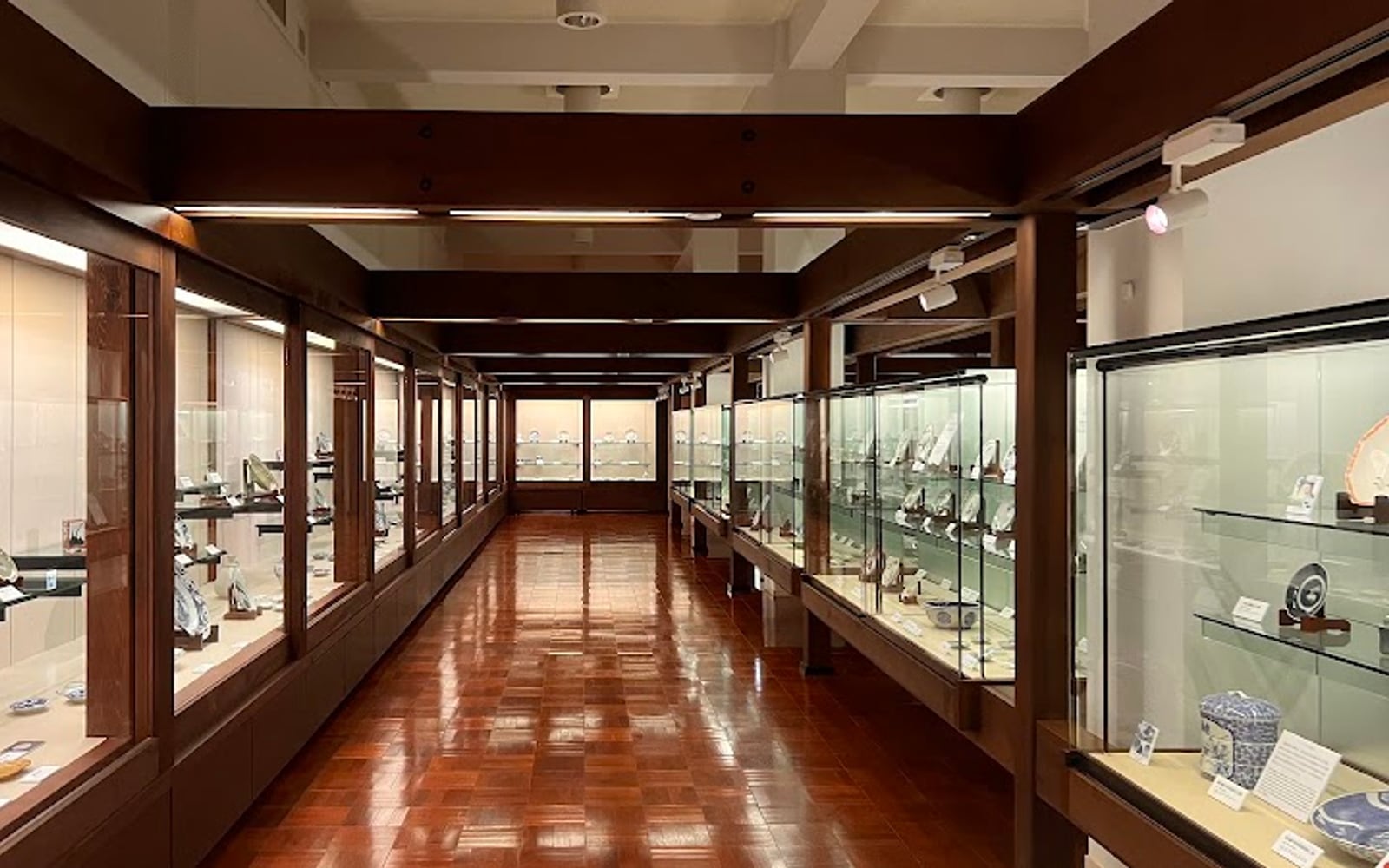
Photo: 최종웅 15:15
Tozan Shrine
Hours: Always open
A shrine to Yi Sam-pyeong, called the father of Arita porcelain. The torii, guardian dogs and water basins are blue-and-white porcelain. A train track runs through the grounds; the yellow local train makes a surreal photograph.
About 20 minutes on foot, slightly uphill. Arita Serai showrooms sit along the way. Rental cycles are available at the station.
Eat
Gallery Arita (Honmachi) — more than 2,000 cups; choose one for coffee, plus godofu · Arita Hyakusen in the station area — Saga beef croquettes
Getting around
Arita is best on foot or by rental cycle. The shrine walk has a gentle climb.
Look for
Museum shop for replicas and ceramic history books · Arita Porcelain Lab (Kami-Arita) for modern readings of old patterns
Budget note
About 12,000 JPY for three people's local day costs excluding rail passes: dining around 9,000, local transport 3,000.
Day 2
Okawachiyama and Ureshino: Secret Kilns and Green Tea
08:30
Arita to Okawachiyama
Matsuura Railway and a local bus into the hidden valley. Keep coins for the bus.
09:30
Okawachiyama Village
Hours: Workshops typically 09:00–17:00
Once the private kiln village of the Nabeshima lords, tucked between crags. A pottery bridge is paneled with porcelain, and wind chimes sound through the lanes.
The village is hilly. Wear shoes with grip.
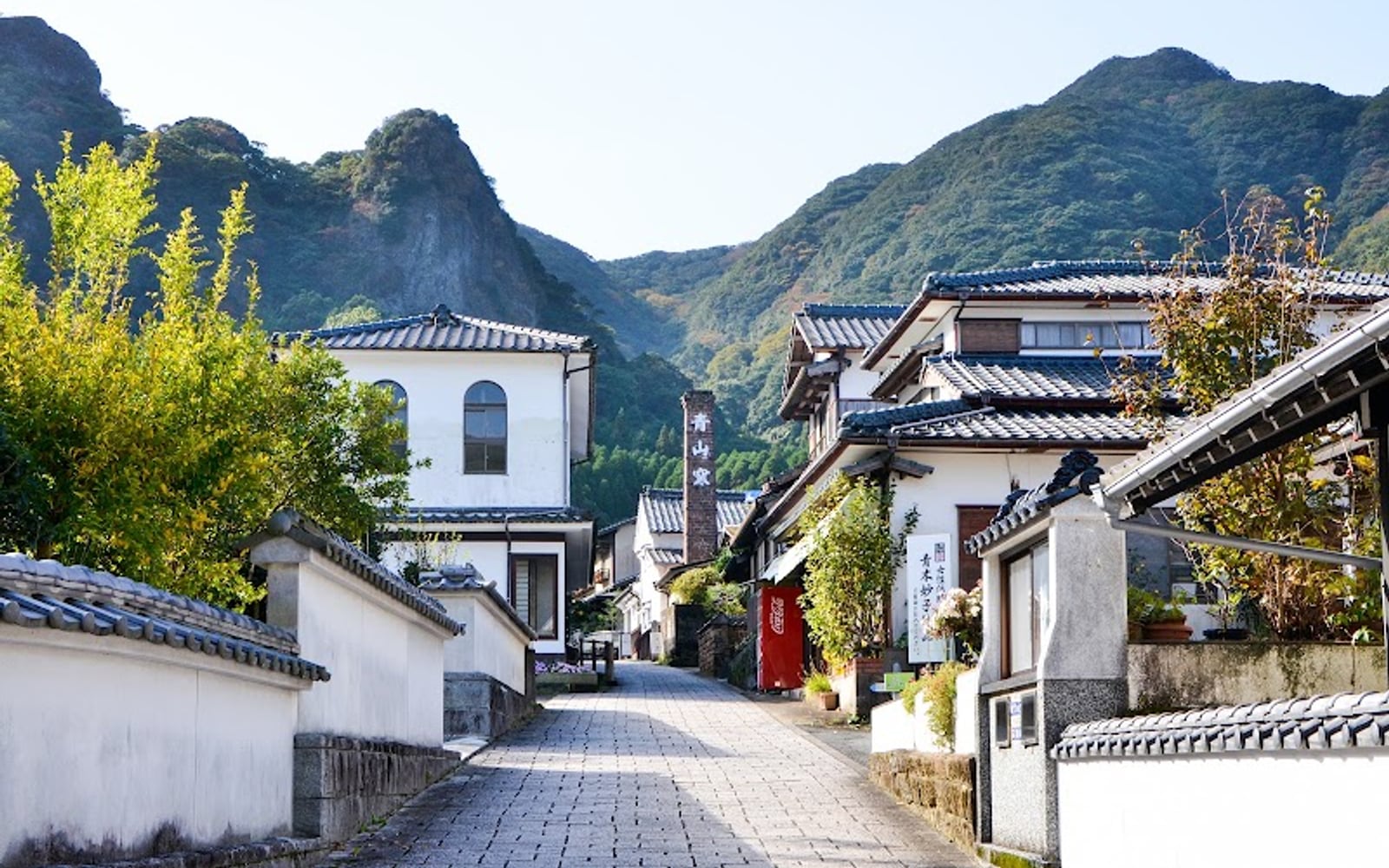
Photo: 大川内山の町並み 13:00
Imari to Ureshino Onsen
About 90 minutes by bus through terraced tea. Check the Imari Station timetable as soon as you arrive; buses are infrequent.
15:00
Ureshino Tea Exchange Hall Chaoshiru
Hours: 09:00–17:00
A museum of Ureshino's steaming method, with tasting flights that compare roast levels and an optional tea-dyeing workshop. The building is a modern nod to the surrounding fields.
Allow time for the tasting set.
Eat
Kura (Okawachiyama) — curry and sweets on Nabeshima-ware plates · Yokocho (Ureshino) — yudofu simmered in hot-spring water
Getting around
Ureshino town is walkable once you arrive. Do not count on a late bus back from Okawachiyama.
Look for
Nabeshima-style porcelain with red, green and yellow overglaze · Vacuum-packed Ureshino tea and tea-infused soap at Chaoshiru
Budget note
About 10,500 JPY: attractions 1,500, dining around 9,000 if rail is already covered.
Day 3
Ureshino to Ine: The Long Road to the Sea
08:30
Siebold's Footbath
Hours: Always open
A public ashiyu named for the German doctor who visited in the 19th century. The water is known for leaving skin unusually smooth. An orange-roofed Western bathhouse stands nearby.
Free. A short morning stop before the long rail day.
10:00
Cross-country rail to Ine
About 7.5 hours and four trains plus a bus: a grand tour of western Japan's rail map. At Kyoto Station follow signs for the Hashidate limited express on platforms 30–31.
Buy a Saga beef bento at Takeo-Onsen before the shinkansen.
Pre-book dinner at your funaya. Almost no restaurants in Ine stay open after 18:00. Carry a power bank.
Eat
Ekiben from Takeo-Onsen or Hakata — kashiwameshi chicken rice is a Kyushu staple · Pre-booked guesthouse dinner in Ine
Getting around
If you use a JR Pass, have it activated before this day. The Kyoto transfer is the easiest place to go wrong.
Look for
Takeo-Onsen station shop for last Saga tea and dried squid
Budget note
About 78,000 JPY if this is the day you buy three JR Passes; otherwise the day is mostly meals and reserved seats.
Day 4
Ine: Boathouses and the Forgotten Coast
09:15
Ine Bay sightseeing boat
Hours: 09:00–16:00
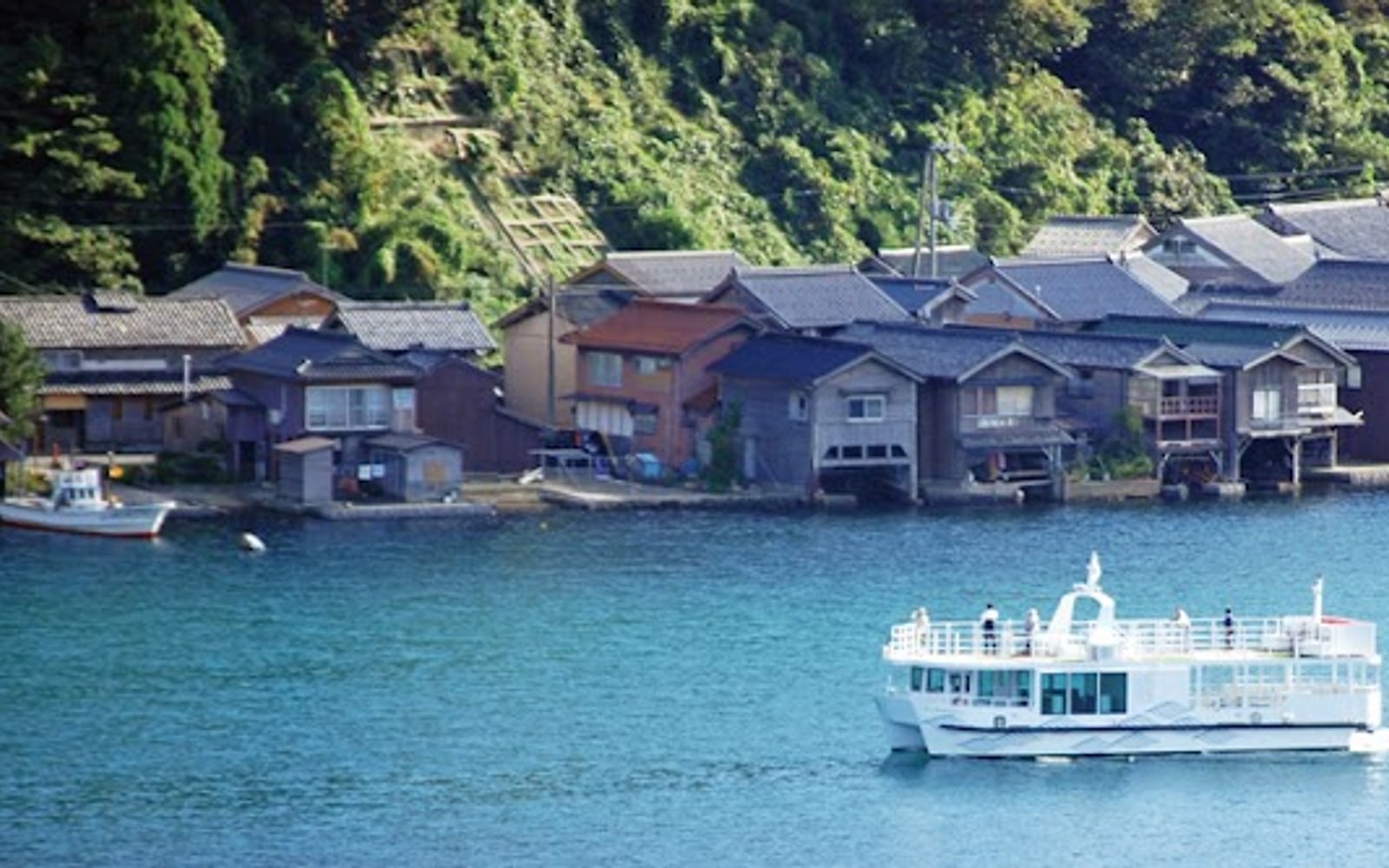
A 25-minute loop past about 230 funaya: boat garages on the water and living rooms above. Buy kappa ebisen at the pier if you want to feed the gulls and hawks that follow the boat.
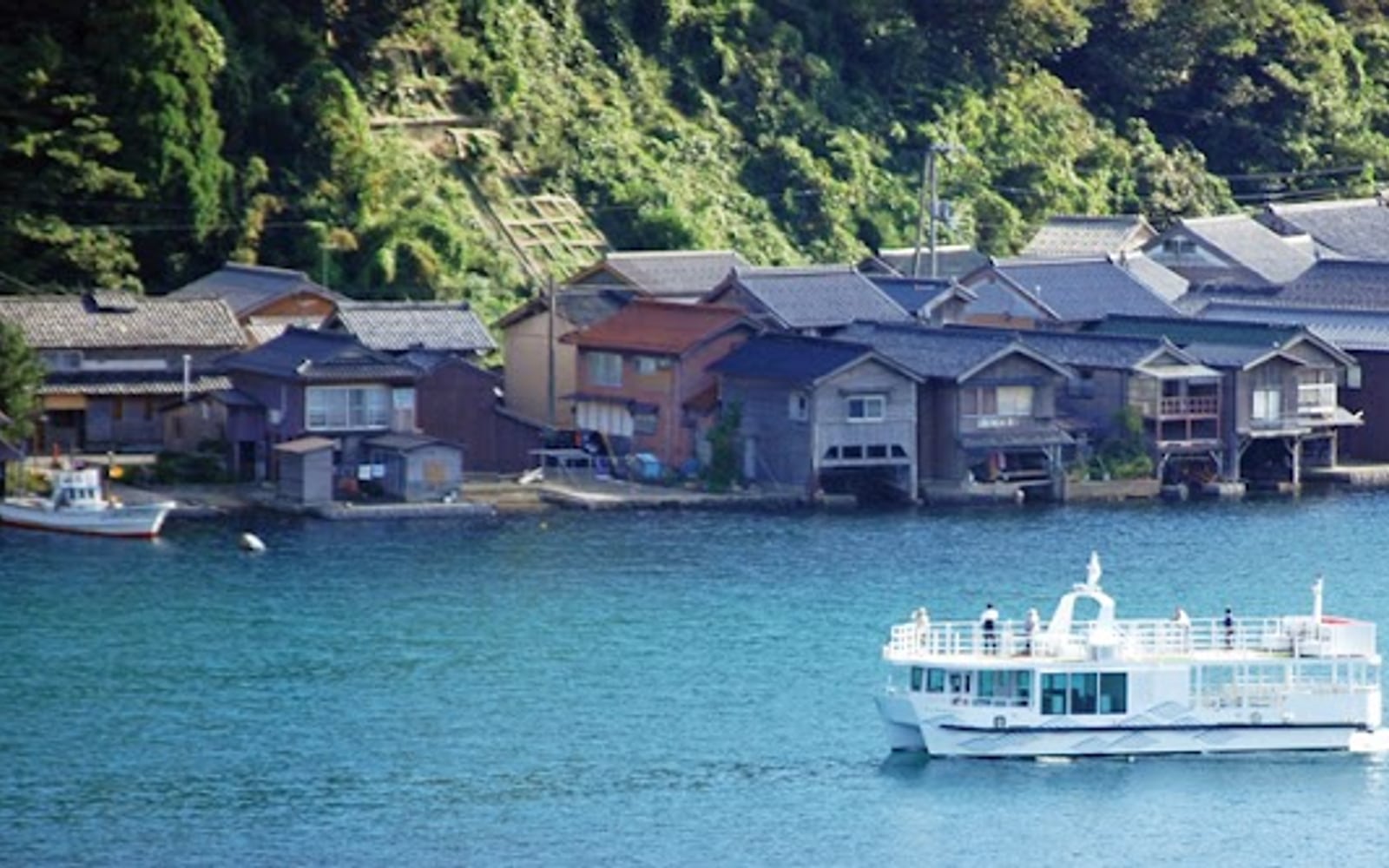
Photo: 伊根湾めぐり遊覧船 10:15
Mukai Shuzo Sake Brewery
Hours: 09:00–17:00
A female-led brewery known for Ine Mankai, a red sake from ancient purple rice that drinks closer to a tart dessert wine than a standard junmai.
Sake lees from the brewery often become local crackers sold nearby.
12:30
Coastal cycling
Free community bicycles can be dropped at marked points. The path hugs the water past working fishermen. Further out, Urashima Shrine belongs to the legend of the fisherman who visited the Dragon Palace.
March wind off the bay is cold even in sun. Wear a windbreaker.
Eat
Funaya Shokudo (Kameshima) — kaisendon above the tourist office with bay views · Ine Cafe in Funaya Hiyori — coffee and a funaya-shaped cake over the water
Getting around
Buses onward to Amanohashidate are infrequent; confirm the last departure if you are not staying a second night.
Look for
A bottle of Ine Mankai · Shell crafts and winter boathouse postcards at the tourist office
Budget note
About 13,900 JPY: boat and tastings 4,900, dining around 9,000.
Day 5
Onomichi: The City of Slopes
08:30
Ine to Onomichi
About 5.5 hours, with a shinkansen change at Kyoto. Leave large bags in Onomichi station lockers before climbing.
14:30
Senkoji Park
Hours: Ropeway about 09:00–17:15
A short ropeway and the classic view of Onomichi's channel and the first Shimanami bridges. Walk down the Path of Literature and into Neko no Hosomichi, the cat alley of painted stones.
The descent is steep stairs. Do not carry a suitcase.
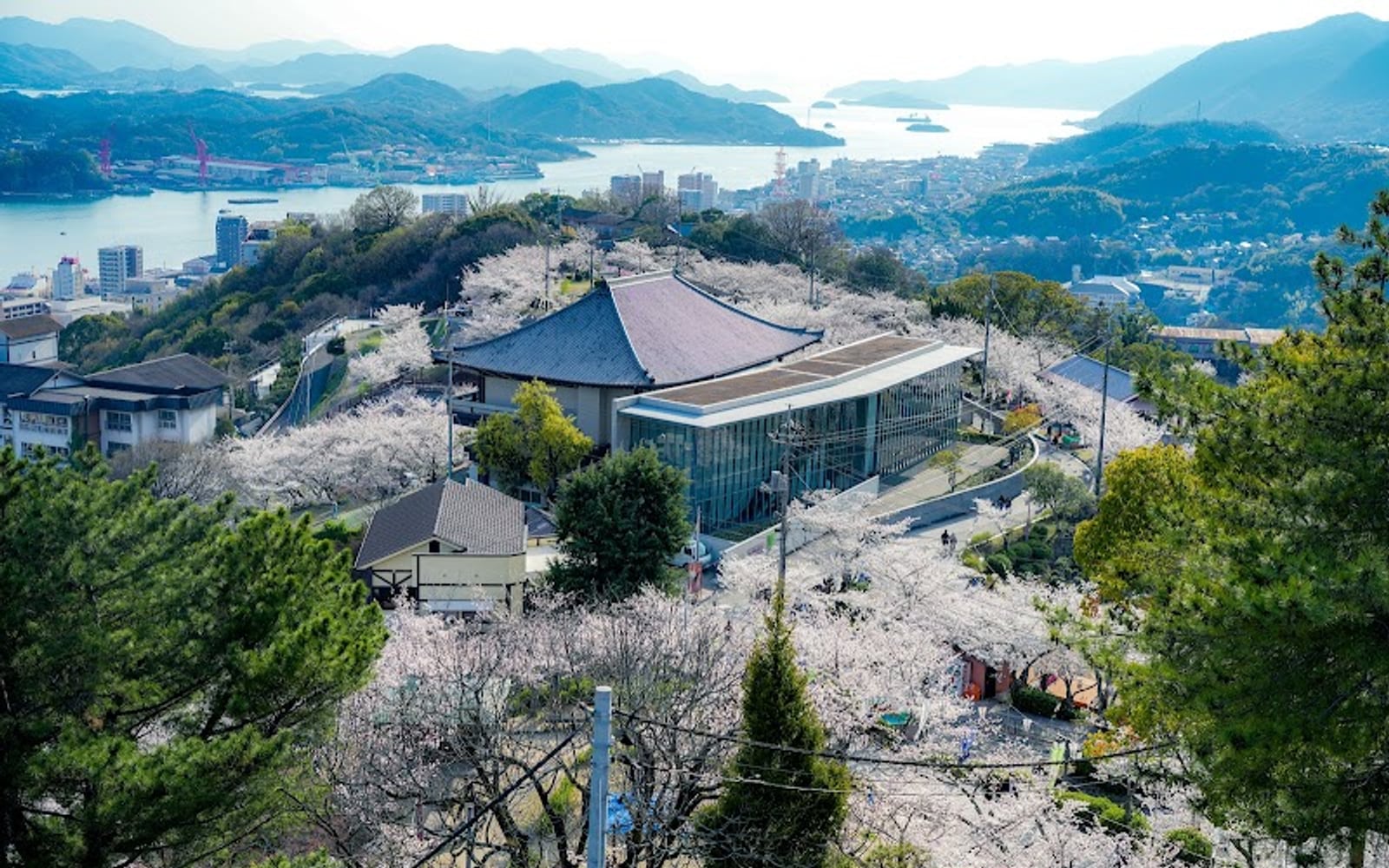
Photo: Elvis S 17:00
Onomichi U2
Hours: 10:00–19:00
A renovated seaside warehouse for the cycling community: hotel, giant bike shop and bakery. Yard Cafe has a cycle-through window.
Eat
Onomichi Ramen Ichibankan (Tsuchido) — soy broth with back-fat, near the ropeway base · The Restaurant inside U2 — Setouchi seafood with an Italian lean
Getting around
Onomichi is a city of slopes and resident cats. Forward luggage before the cycling day.
Look for
Shima Shop in U2 for lemon goods and cycling kit · Common bakery in U2 for Onomichi chocolate and next-morning bread
Budget note
About 11,100 JPY: ropeway and small tickets 2,100, dining around 9,000.
Day 6
Shimanami Kaido: The Great Sea Crossing
08:30
Cycle Onomichi to Setoda
About 30 kilometers across the bridges, with citrus groves and salt air. Tatara Bridge was once the world's longest cable-stayed span. March wind on the decks is cold; wear a shell.
Keep 1,000 JPY in coins for small bridge tolls and the return ferry.
13:00
Kosanji Temple and Hill of Hope
Hours: 09:00–17:00
An eclectic temple of replica historic architecture and a white marble garden, Miraishin no Oka, using stone imported from Italy.
14:30
Ferry Setoda to Onomichi
About 40 minutes on deck, retracing the islands you just crossed, then walk the shotengai back after returning the bikes.
Eat
Setoda Sunset Beach rest area — lemon soft serve and citrus snacks · Okonomiyaki Teppanyaki Mitsuchan near Kosanji — Onomichi-yaki · Yard Cafe at U2 for a simpler dinner
Getting around
Reserve bicycle, helmet and return point. A partial ride with a bus or ferry rescue is still a full day.
Look for
Shimanami Minato-kan for hassaku jellies and Imabari towels
Budget note
About 16,900 JPY: temple and bike costs 5,400, dining 9,000, ferry and tolls 2,500.
Day 7
Naoshima: Honmura and the Art House Project
09:00
Transit to Naoshima
Local train to Fukuyama, shinkansen to Okayama, local to Uno, then the ferry. The Honmura bus from Miyanoura takes about 15 minutes.
13:00
Art House Project
Hours: 10:00–16:30; closed Monday
Abandoned houses remade as permanent installations. Minamidera is Tadao Ando's dark room for James Turrell. Buy the multi-site ticket at Honmura Lounge.
Look for colorful Naoshima noren in the lanes.
16:15
Ando Museum
Hours: 10:00–16:30; last entry 16:00
A century-old house with a concrete interior that holds Ando's models and drawings.
The town bus is a flat 100 JPY. Keep coins. Evening bus toward Tsutsuji-so if you stay on the coast.
Eat
Maemai in Honmura — udon and rice bowls · Cafe lulu in Honmura between houses · Tsutsuji-so Cafe for a simple dinner near the beach
Getting around
Many venues close Monday. Combined tickets are cheaper at Honmura Lounge than at single doors.
Look for
Honmura Lounge postcards and design goods
Budget note
About 14,700 JPY: art tickets 5,700, dining around 9,000, buses in coins.
Day 8
Naoshima: Concrete Masterpieces
10:00
Chichu Art Museum
Hours: 10:00–17:00
Built underground for Monet, Turrell and De Maria, and lit only by daylight. Book the timed ticket online well before the trip. Photography is not allowed inside.
Free shuttle from Tsutsuji-so. Do not add extra bookings; queues and walking already fill the day.
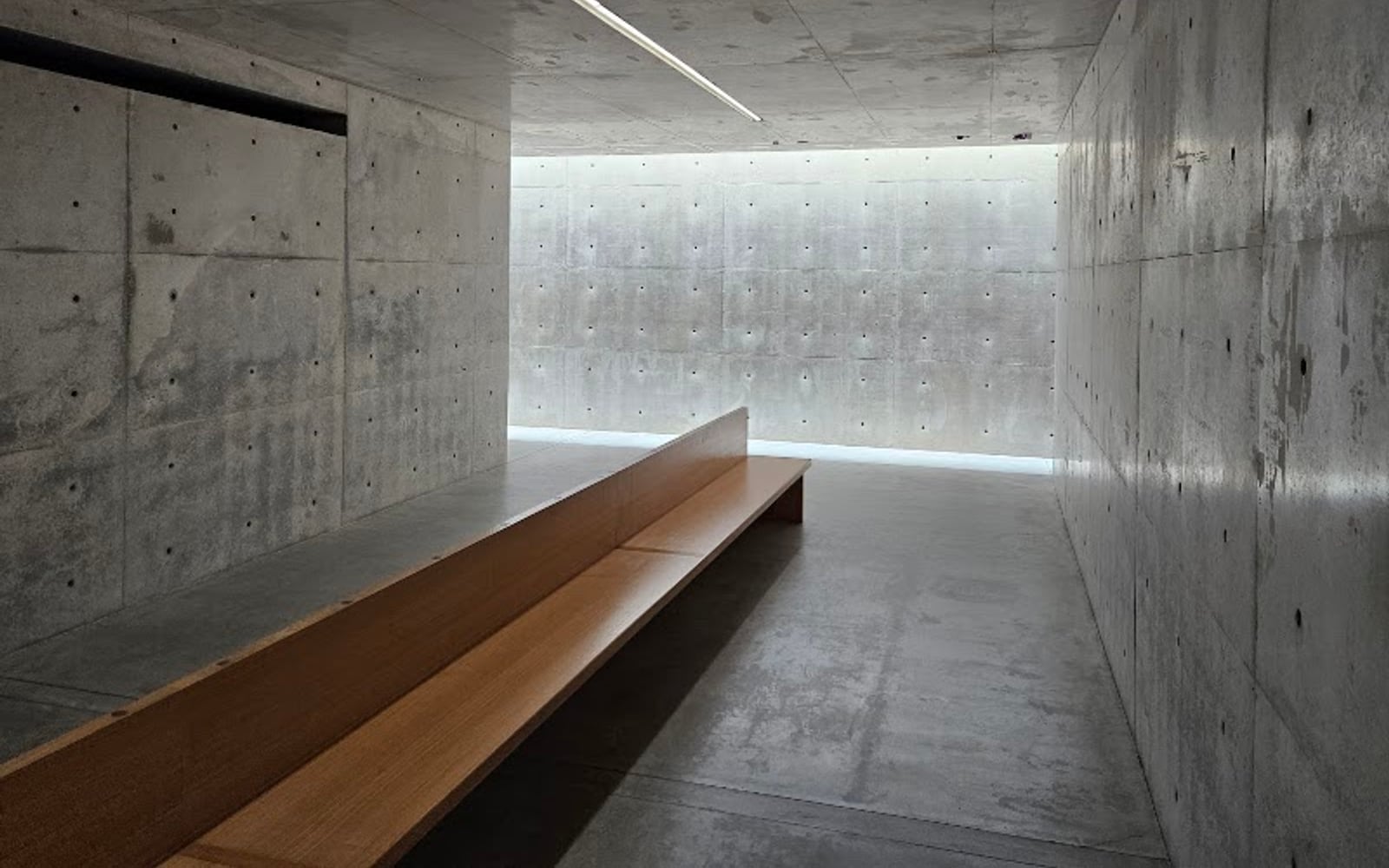
Photo: 윤인수 14:00
Benesse House Museum
Hours: 08:00–21:00
A hotel and museum in one, with works along the cliff path. Kusama's yellow pumpkin stands on the pier when it is on view.
Eat
Chichu Cafe — light meals and bottled olive tea · Little Plum in Miyanoura — curry and pasta if you skip the museum restaurant
Getting around
Chichu is reservation-only. Treat the walk between museums as part of the visit.
Look for
Benesse House shop for art books and pumpkin keychains
Budget note
About 20,400 JPY: museum tickets 11,400, dining around 9,000.
Day 9
Teshima: Art and Rural Silence
08:30
Ferry to Teshima
Miyanoura to Ieura, then a 15-minute shuttle through rice terraces to the museum.
10:00
Teshima Art Museum
Hours: 10:00–16:00
A pillar-free concrete shell where water droplets move across the floor. The road-to-the-sea photograph is just outside. Book online.
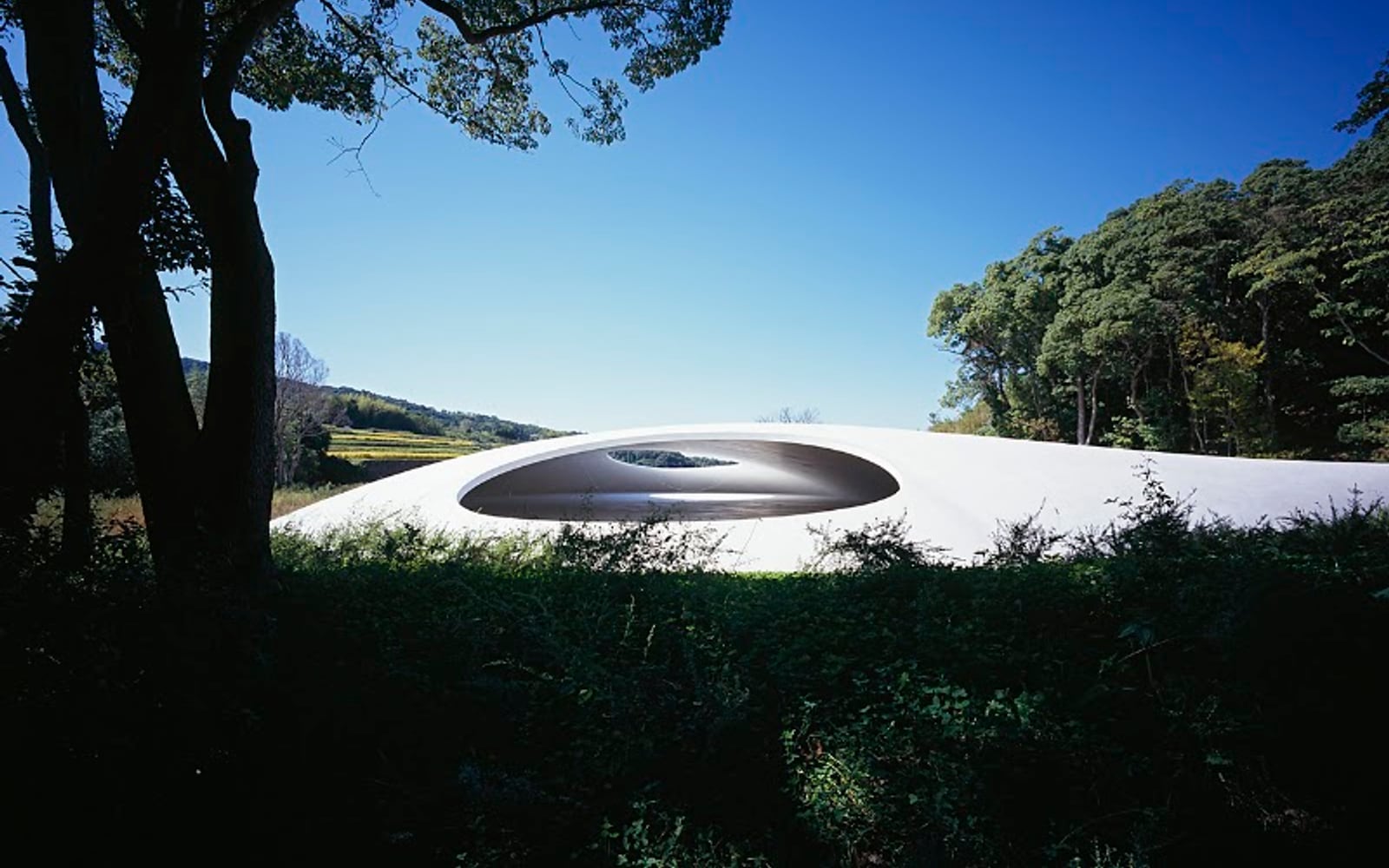
Photo: 豊島美術館 14:00
Teshima Yokoo House
Hours: 10:00–16:00; closed Tuesday
Tadanori Yokoo and Yuko Nagayama's collaboration in Ieura. Red glass changes how you see the garden.
Electric bikes sell out early. Return to Miyanoura on the afternoon ferry.
Eat
Shima Kitchen in Karato — Teshima vegetables and fish in an award-winning wooden hall · Teshima no Mado in Ieura — home cooking · A 7-Eleven bento from Miyanoura if you want a picnic
Getting around
Match the museum slot to the ferry. Carry cash; island services are thin.
Look for
Museum shop in the smaller bubble — glass and ceramic objects
Budget note
About 16,200 JPY: tickets 7,200, dining around 9,000, ferries often already on an island pass.
Day 10
Naoshima and Uno: Final Reflections
09:00
Naoshima Pavilion and Miyanoura
Hours: Always open
Sou Fujimoto's white stainless mesh is meant to read as a 28th island. Walk inside it, then look at the I♥湯 bathhouse facade before the ferry.
10:30
Uno Port and onward rail
Ferry about 20 minutes, lunch at the port, then local train to Okayama and shinkansen toward Osaka or Fukuoka.
Sort reserved seats at Okayama. Keep a backup ferry before any same-day long-distance connection.
Eat
Uno Port Pinocchio — casual Italian by the terminal · Osakana Toto — kaisendon by the station
Getting around
Coastal wind stays up. Keep the jacket until you are on the shinkansen.
Look for
7-Eleven in Miyanoura for last Naoshima cookies
Budget note
About 9,000 JPY for meals if the long-distance tickets are already in hand.
Where to stay
Arita
Keramiek Arita
B&B in the historic district with an English-speaking host, from about 13,500 JPY.
Ureshino
Fairfield by Marriott
Modern rooms near Chaoshiru and Siebold's footbath, from about 10,500 JPY.
Ine
Funaya Inn Kagiya
Boathouse stay over the water. Book dinner with the room. From about 22,500 JPY.
Onomichi
Miharashi-tei
Hillside villa with channel views, from about 7,500 JPY.
Onomichi
Sakura Shimanami Hotel
By the station and port, convenient for the cycling morning. From about 12,000 JPY.
Naoshima
Naoshima Tsutsuji-so
Yurts and cottages on the beach near the pumpkin. From about 9,000 JPY.
Naoshima
My Lodge Naoshima
Minimal eco-minded rooms with a good local restaurant, from about 18,000 JPY.
Naoshima
Quaint House Naoshima
A private house inside the Honmura art-house village, from about 15,000 JPY.