
9 days · Wakayama · Nara · Gifu · Nagano
Kumano Kodo, Koya-san & Nakasendo
This solo-friendly route joins three historic travel traditions: the Kumano pilgrimage, Shingon temple life on Koya-san and the Nakasendo road. It is built for spiritual heritage, forest walking and rural photography. Pack light, reserve rural lodging early and treat transfer days as part of the journey.
Late September still carries humid lowland days around 28°C and a mountain chill near 10°C at night on Koya-san. Trails stay damp after akisame rain.
Day 1
Kii-Tanabe: Gateway to the Sacred Trail
10:15
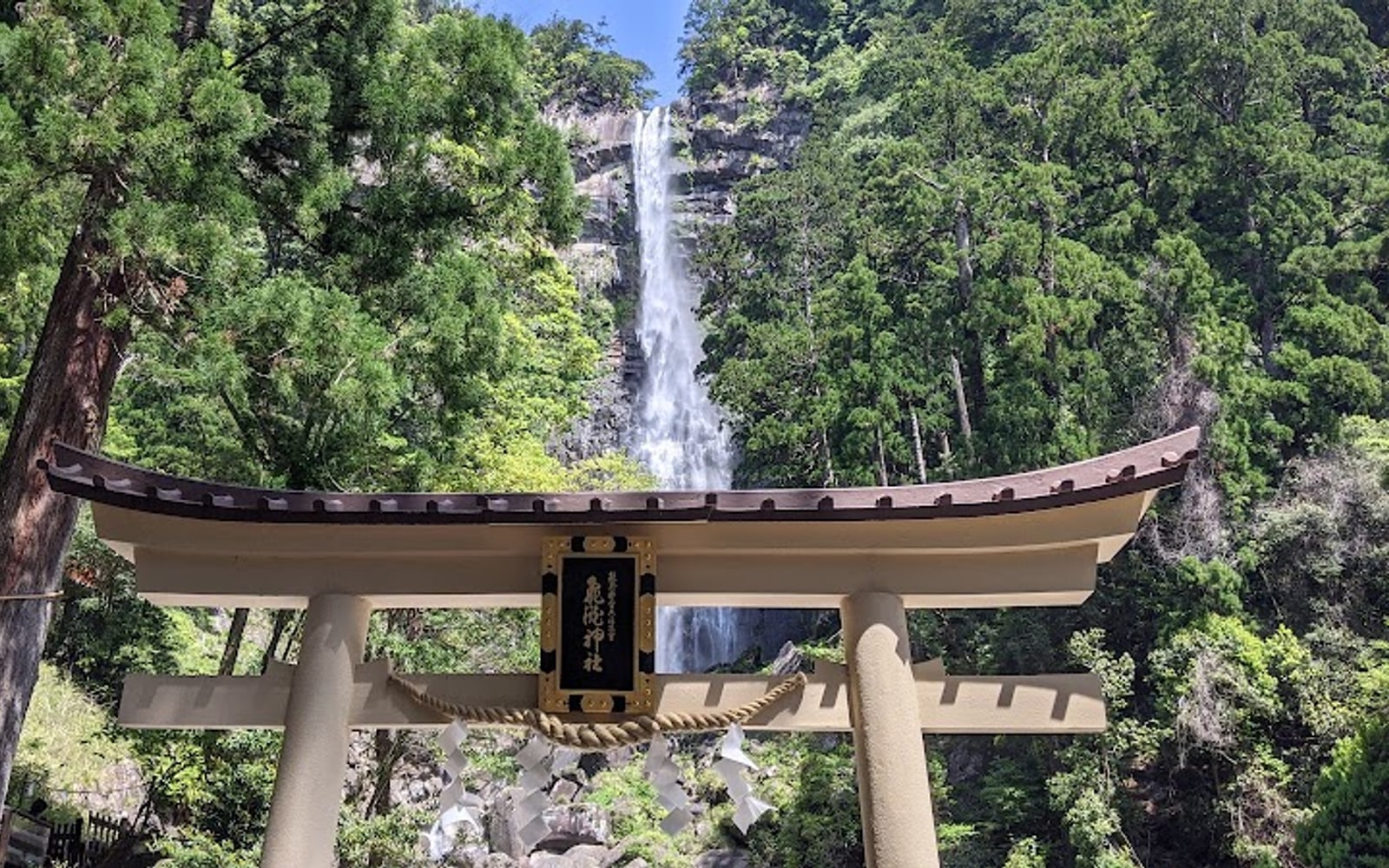
Tokei Shrine
Hours: 08:00–17:00
A UNESCO-linked shrine where warriors once prayed before heading into the mountains. Local legend says a cockfight here helped decide the Genpei War, which is why the name Tokei, cockfight, remains.
Statues of Benkei and his father stand near the entrance.
Free. A flat walk from Kii-Tanabe Station.
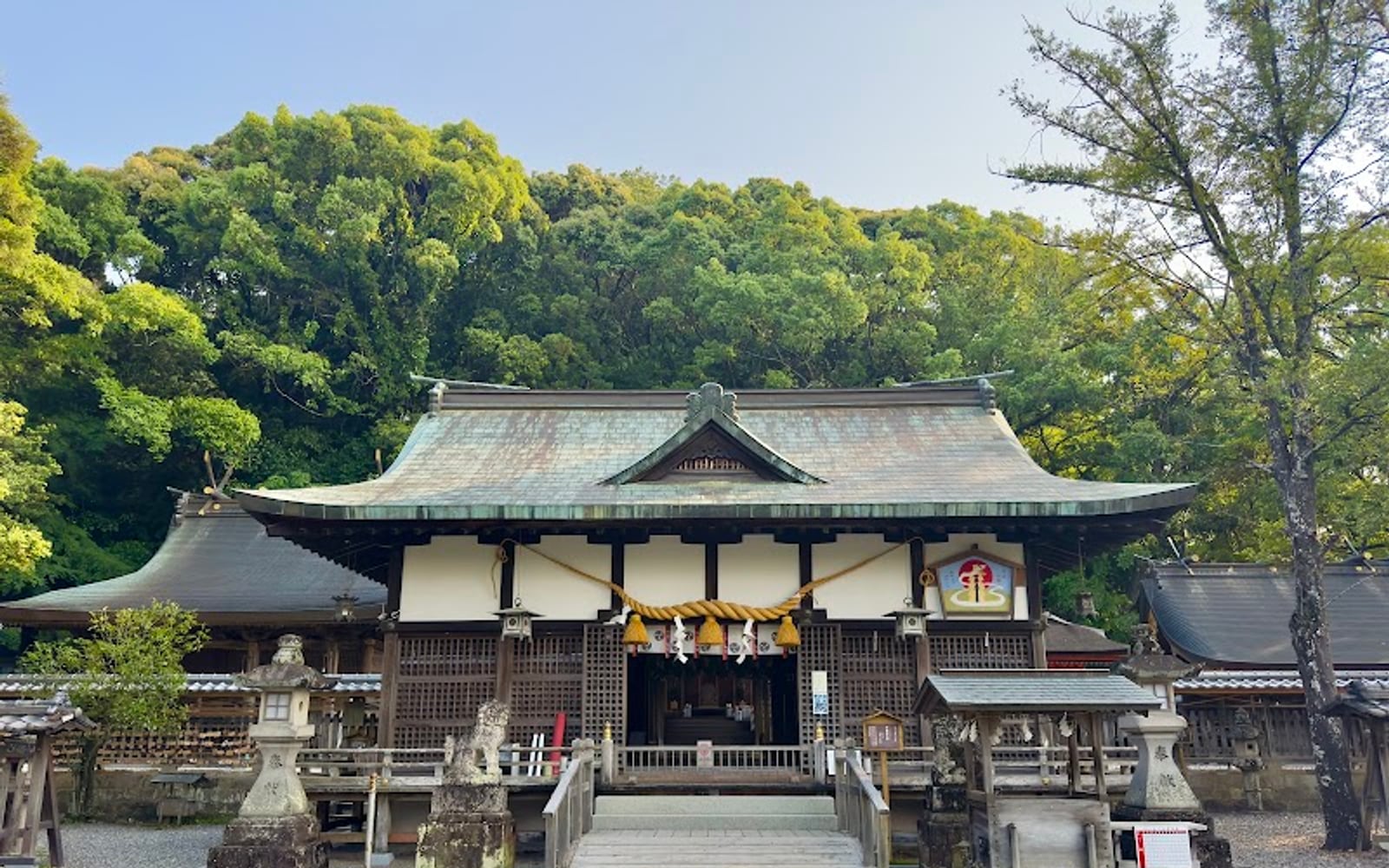
Photo: Pakho Wong 11:30
Ogigahama Beach viewpoint
Hours: Always open
A crescent of Pacific sand and the last wide horizon before the inland trail. It is one of the few nearby stretches where the sun sets over open water.
Ceramic tiles painted by local children run along the seawall.
Free.
13:45
Tanabe Tourist Information Center
Hours: 09:00–18:00
The practical hub for Kumano walkers: trail maps, weather notes and last-minute bus times.
Ask for a Dual Pilgrim passport if you later walk the Camino de Santiago.
Arrange takkyubin at the hotel and send the main suitcase ahead to Koya-san. Carry cash; many mountain shops do not take cards.
Eat
Shin-chan (Minato) — budget izakaya near the station; try mehari-zushi, rice in pickled mustard leaves · Ajimitsu (Minato) — Kii Channel sashimi sets near Tokei Shrine
Getting around
The station-to-beach walk is flat. Stock umeboshi at Tanabe Enshingai inside Kii-Tanabe Station; honey-pickled plums make good trail food.
Look for
Tanabe Enshingai for umeboshi from Japan's plum capital
Budget note
About 4,500 JPY if you walk the town: meals only on this arrival day.
Day 2
Takijiri-oji to Takahara: Into the Mist
08:55
Takijiri-oji
Hours: Always open
The threshold of the sacred area, where pilgrims once purified themselves in the river. Behind the shrine, Tainai-kuguri is a narrow rock cleft you can crawl through as a symbolic rebirth.
The information center sells small wooden omamori for hikers.
Take the morning bus from Kii-Tanabe Platform 2 and pay in cash when you get off.
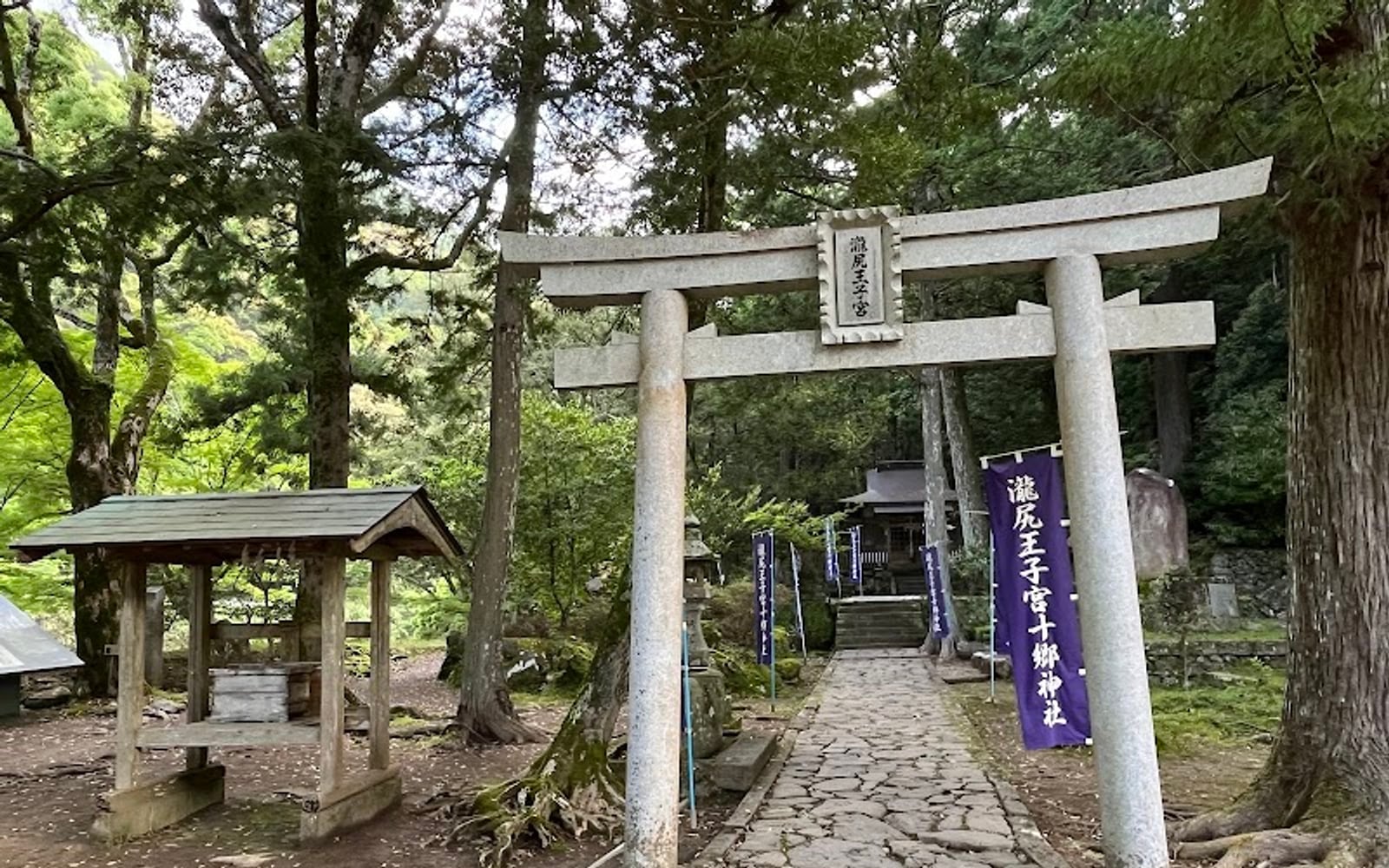
Photo: 数馬尚子 09:30
Hike to Takahara
A steep 4-kilometer climb through cedar, with about 370 meters of elevation. The air smells of wet wood. Moss on stone is genuinely slippery; use poles.
There are no restaurants between Takijiri and Takahara. Buy a Kumano Kodo bento at Lawson or a bakery near Kii-Tanabe Station before the 08:00 bus.
13:30
Takahara Kumano Shrine
Hours: Always open
A clearing with one of the oldest buildings on the Nakahechi. Camphor trees more than 800 years old stand as guardians.
The nearby Kiri-no-sato viewpoint is the classic photograph of the misted valley.
Arrive in the village by 17:00. The sun drops behind the ridges early and the temperature falls quickly.
Eat
Packed bento on the trail · Minshuku dinner in Takahara — river fish and mountain vegetables
Getting around
Use luggage forwarding. The hike is short on paper and hard on wet rock.
Look for
Takijiri-oji information center charms for trail safety
Budget note
About 10,470 JPY: meals 4,500, bus 970, luggage forwarding around 5,000.
Day 3
Takahara to Yunomine Onsen: Ancient Cedars
08:00
Hike toward Tsugizakura-oji
A moderate stretch through hamlets and mossy ruins. Unmanned o-bento stands sometimes sell fruit or snacks for a few coins.
11:30
Tsugizakura-oji
Hours: Always open
Home of the Nonaka-no-Ipponsugi cedars, so large they seem to hold the canopy. Their branches lean south toward Nachi Falls.
Togo-no-Sui spring, listed among Japan's hundred best waters, is nearby — refill your bottle.
15:00
Yunomine Onsen and Tsuboyu
Hours: 06:00–21:00
The only World Heritage hot spring you can bathe in: a stone cabin over a creek. The water is said to change color several times a day. In the village, boil eggs or sweet potatoes in the yunotsutsu cooking hole.
Tsuboyu is 800 JPY for a 30-minute private slot, first come, first served, tickets at the central booth. If knees are tired, the bus from Nonaka-no-Ipponsugi to Yunomine saves a long downhill.
Eat
Eggs and sweet potatoes cooked in the village spring · Shimoji-ya — soba near Tsuboyu
Getting around
Carry cash for the bath and stalls. The Yunomine post office sells scenic stamps for postcards.
Look for
Yunomine postcards with the onsen fukein stamp
Budget note
About 6,280 JPY: meals 4,500, Tsuboyu 800, local bus 980.
Day 4
Hongu and Nachi: Grand Shrines and the Great Fall
08:30
Kumano Hongu Taisha
Hours: 08:00–17:00
The spiritual heart of the Kumano Kodo: unpainted wood and thatch, austere rather than ornate. The three-legged crow Yatagarasu from this shrine is also the emblem of the Japan national football team.
A black Yatagarasu mailbox stands on the grounds; mail sent from here is a common luck ritual.
09:45
Oyunohara
Hours: Always open
The original shrine site, marked by a 33.9-meter torii in a clearing where three rivers meet. Two small stone pedestals in the center mark where the deities were first enshrined.
13:15
Kumano Nachi Taisha
Hours: 07:00–16:30
Vermilion halls against deep forest, part of a complex where Shinto and Buddhism have stood together for centuries. A hollow in the great camphor tree can be walked through while holding a wooden prayer tablet.
14:30
Nachi Falls
Hours: 07:00–16:30
Japan's tallest single drop, 133 meters, with about a tonne of water each second. The sound itself is treated as a deity.
Longevity water at the base is 100 JPY and you keep the small ceramic cup.
Viewing platform 300 JPY.
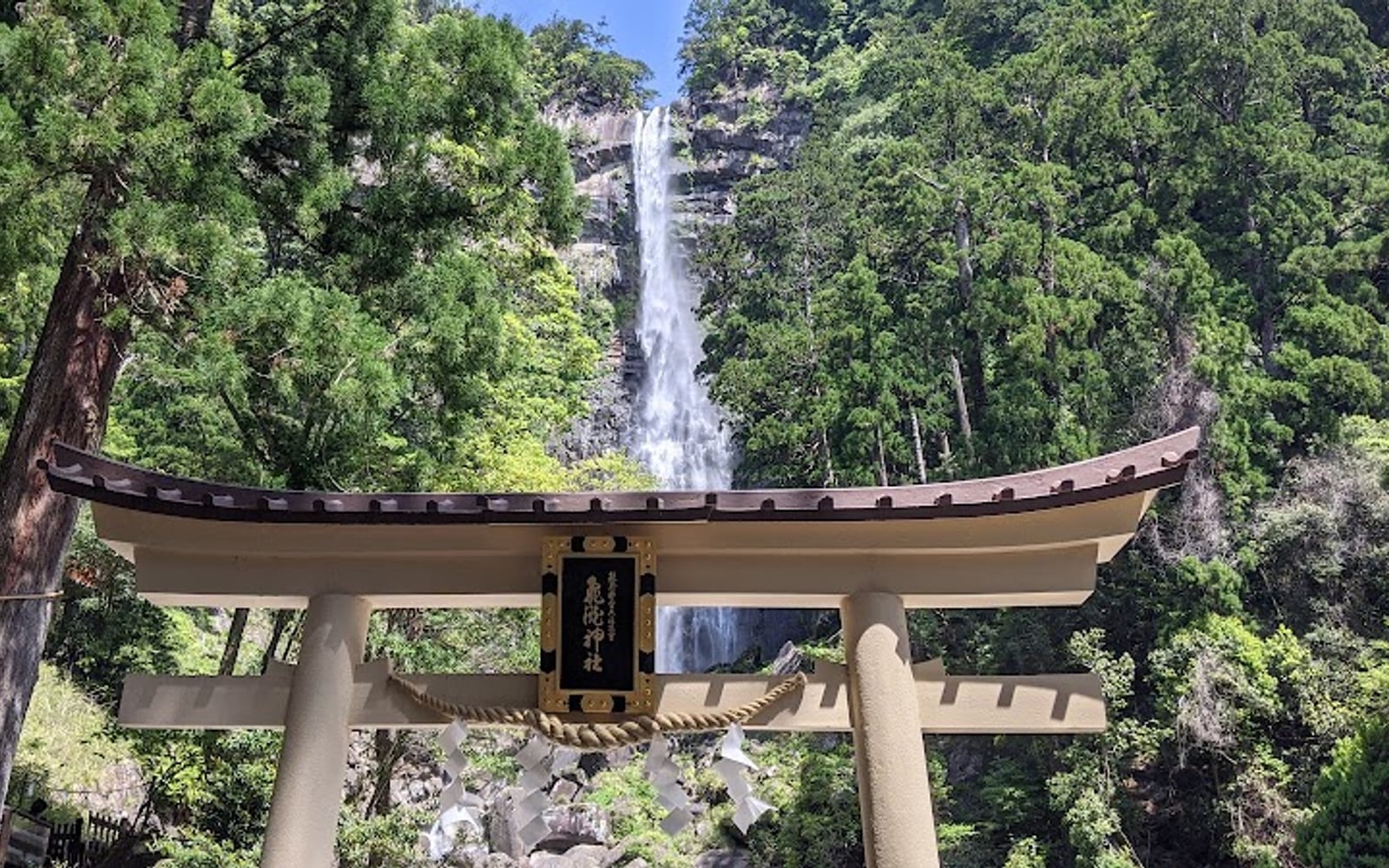
Photo: 飛田徹(toby)
Eat
Mehari-tei near Hongu — pickles and rice sets · Otaki-chaya near the Nachi bus stop — kudzu-mochi with a view of the fall
Getting around
A heavy transit day: bus from Hongu to Shingu, then change for Nachi. Missed connections can cost an hour or two. Keep the printed bus timetable.
Look for
Kumano Kodo Kan in Hongu for Yatagarasu goods and cedar crafts
Budget note
About 8,960 JPY: meals 4,500, attractions 1,500, buses 2,960.
Day 5
Koya-san: Mountain of Temples
08:00
Transit to Koya-san
Coastal trains, then the steep Nankai cable car into the clouds. Sit on the left of the JR Kuroshio for Pacific views. Walking from the cable-car station into town is not allowed; take the local bus.
14:45
Danjo Garan
Hours: 08:30–17:00
The first temple complex founded by Kobo Daishi. Konpon Daito is built as a three-dimensional mandala. Among the pines, Sanko-no-Matsu is said to bring luck if you find a three-pronged needle instead of the usual two.
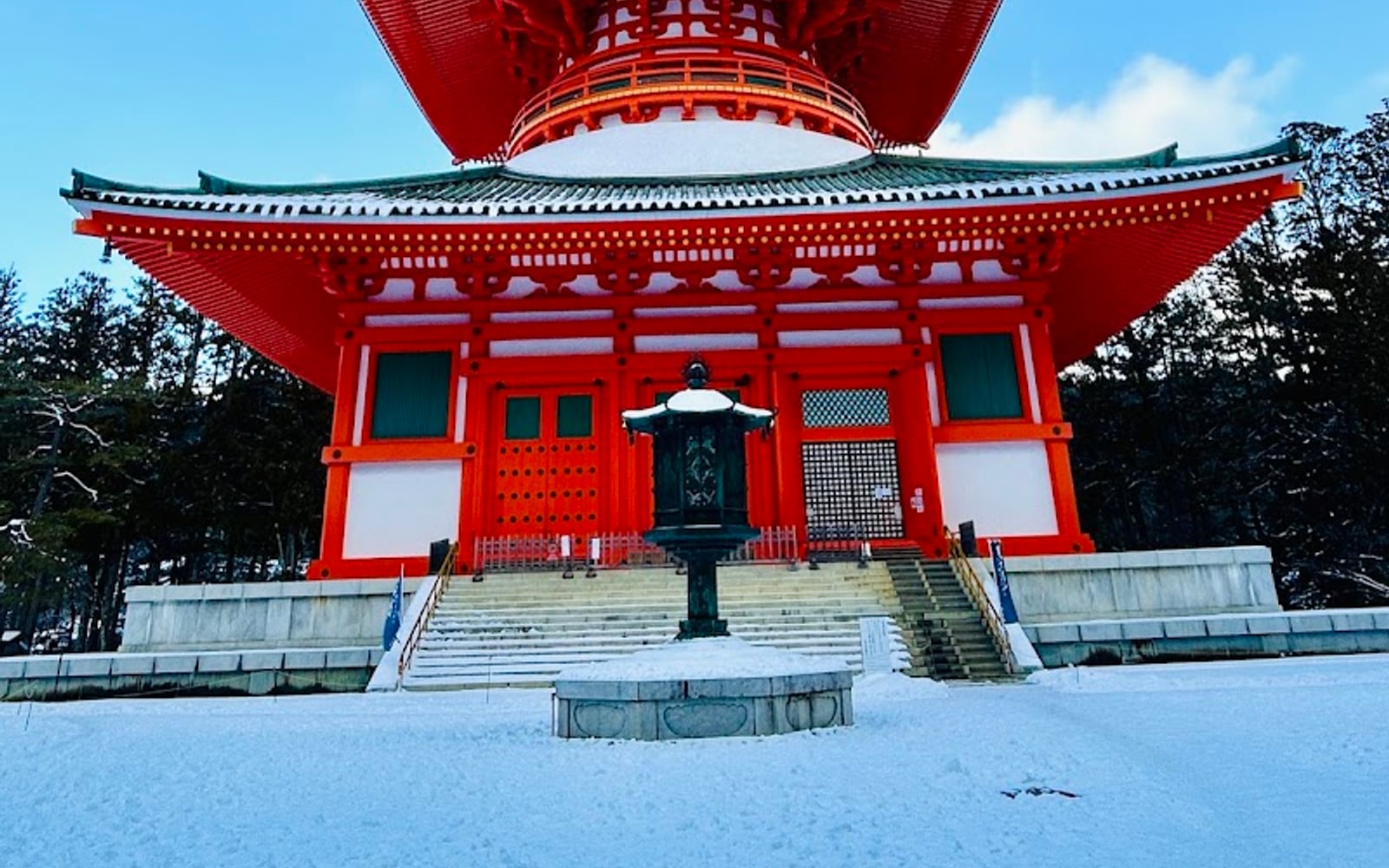
Photo: 敦 16:30
Shukubo check-in
Hours: Arrive before 17:00
A working temple: futons, early silence and shojin ryori without meat, fish, onion or garlic. Luggage sent from Tanabe on day 1 should be waiting.
Follow house rules on bathing, photography and evening quiet.
Eat
Koya-san Hanabishi near Senjuin-bashi — goma-dofu if you arrive early · Temple dinner at the shukubo
Getting around
The cable car is one of Japan's steepest. Some passes include the town bus.
Look for
Reihokan museum shop for cedar-scented incense
Budget note
About 11,500 JPY: meals 4,500, attractions 1,000, transport 6,000, plus the temple night itself.
Day 6
Koya-san: Shingon Spiritual Heritage
06:00
Morning prayers
Shingon chanting and, at many shukubo, a goma fire ritual. Smoke is understood as carrying prayers. Join quietly at your temple.
08:15
Okunoin Cemetery
Hours: Always open
Japan's largest cemetery, with about 200,000 stupas under cedars. Kobo Daishi is believed to remain in eternal meditation. Corporate tombs include a coffee cup and a rocket. The Miroku Stone is a virtue test: lift it to the top shelf with one hand.
11:30
Kongobuji Temple
Hours: 08:30–17:00
Headquarters of Shingon Buddhism. Banryutei is a rock garden of 140 granite stones. Sliding doors were painted by Kano-school masters. The ticket includes tea and a seasonal rice cracker in the meditation hall.
1,000 JPY.
Eat
Bon Onshya (447 Koyasan) — organic cafe in a renovated house · Temple breakfast and goma-dofu at the shukubo
Getting around
A Koyasan digital bus ticket is cheaper than single rides. Keep a jacket on; the plateau is cooler than the coast. Photography is restricted in sacred interiors.
Look for
Nakamise shops for koya-maki seedlings and temple incense
Budget note
About 9,710 JPY: meals 4,500, Kongobuji 1,000, bus pass 4,210.
Day 7
Koya-san to Magome: Entering the Kiso Valley
08:00
Transit to Nakatsugawa
Cable car, Nankai, shinkansen and the JR Shinano limited express. Reserve seats where you can and keep a wide connection in Nagoya or Osaka.
15:00
Magome-juku
Hours: Streets always open
A restored post town built on a jinba, a steep slope, unlike most flat station towns. Waterwheels still help power some street lamps. The stone street is entirely uphill from the bus stop.
16:45
Magome Wakihonjin Museum
Hours: 09:00–17:00; last entry 16:45
A former high-class inn that shows Edo travel hierarchy: only ranking officials stayed here.
300 JPY. Use coin lockers at Nakatsugawa if luggage is heavy.
Eat
Soba-dokoro Magome-ya near the bus stop — Shinshu soba and sansai tempura · Hagiwara-ya — gohei-mochi with walnut and sesame glaze
Getting around
This is the longest transfer of the trip. Send large bags toward the Kiso Valley before you leave Koya-san.
Look for
Magome tourist office for Nakasendo walking certificates and hinoki crafts
Budget note
About 13,500 JPY: meals 4,500, museum 300, transport 8,700.
Day 8
Magome to Tsumago: Nakasendo Walk
09:00
Magome Pass to Tsumago
About 8 kilometers and 2.5–3 hours on the old highway through bamboo and cedar, mostly downhill from Magome. Ring bear bells at the posted stands. Luggage forwarding between towns usually runs 08:30–11:30.
13:00
Tsumago-juku
Hours: Streets always open
The first town in Japan preserved as a historic district, with no visible power lines. Residents follow a rule of no sell, no rent, no destroy. The masugata crank in the road was built to slow attackers.
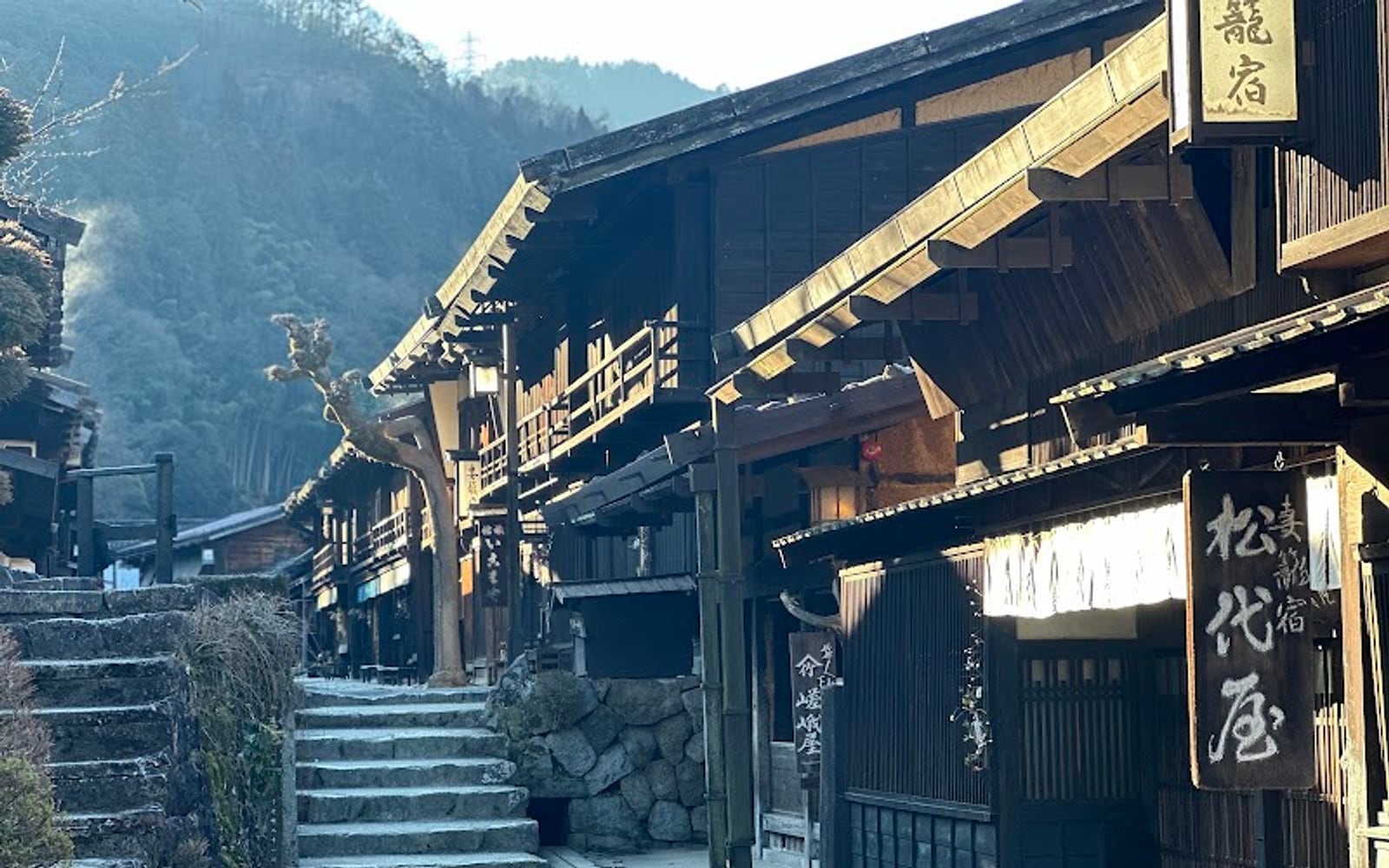
Photo: h nk
Eat
Yoshimura — handmade zaru soba · Tatekiya — kurikinton chestnut sweets in season
Getting around
The trail is free. Carry cash for tea houses. Forward bags so you walk with a daypack only.
Look for
Hinoki shops for magewappa lunch boxes and essential oil
Budget note
About 6,500 JPY: meals 4,500, luggage service 1,000, extra local transport 1,000.
Day 9
Narai-juku: Final Post Town
10:00
Narai-juku
Hours: Streets always open
Narai of a thousand houses, the wealthiest post town, sits at the highest point of the Nakasendo. Public mizu-ya fountains are still used by residents.
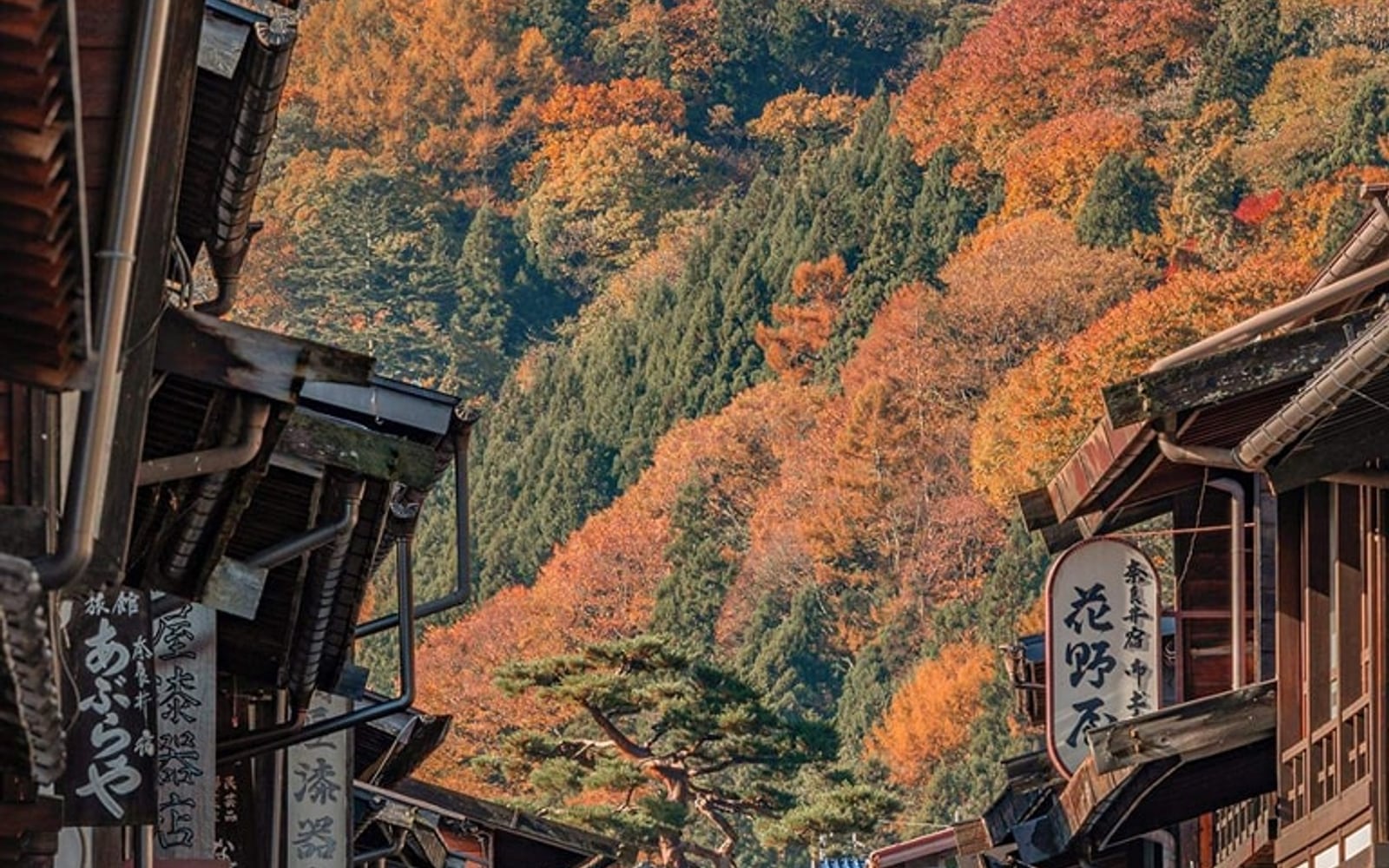
Photo: Paul De Croes 13:45
Kiso Ohashi Bridge
Hours: Always open
A 30-meter arched bridge of 300-year-old hinoki, built without metal nails. Walk underneath to see the woven beam work.
Narai Station has coin lockers. Check Limited Express Shinano times for Nagoya if you have a flight the same evening.
Eat
Echigoya — toji soba in a building more than 200 years old · Cafe Mizutani — coffee and sweets near the station
Getting around
Local trains via Nagiso or Kiso-Fukushima are spaced apart; do not cut the last connection fine.
Look for
Kiso lacquerware chopsticks and small bowls
Budget note
About 12,800 JPY: meals 4,500, onward transport 8,300.
Where to stay
Tanabe
Comfort Hotel Kii Tanabe
Five minutes from the station, with breakfast from 06:30 for hikers. About 9,000–10,500 JPY.
Tanabe
Django Hostel & Lounge
Social base for walkers and a practical place to arrange luggage forwarding. About 5,200–8,200 JPY.
Yunomine
J-Hoppers Kumano Yunomine
Private onsen and a shared kitchen. About 4,500–9,000 JPY. Book early; the village is small.
Katsuura
Hotel Charmant Nachi-Katsuura
Quiet family-run hotel near the tuna market if you stay after Nachi. About 7,500–8,500 JPY.
Koya-san
Koyasan Guesthouse Kokuu
Minimal rooms near Okunoin, useful for an early cemetery walk. About 7,500–13,500 JPY.
Koya-san
Koyasan Shukubo Ekoin
Temple stay with fire ritual and shojin ryori, from about 22,500 JPY.
Magome
Magome Chaya
Minshuku on the historic street with mountain views. About 9,700–11,000 JPY.
Nakatsugawa
hatago STAY Shinmachi
Modern rooms if you arrive late by train. About 7,500–8,500 JPY.
Narai
Guest House Iidaya
A stay inside Narai of a thousand houses. About 9,000–10,000 JPY.